
Navigating Economic TrendsIn the intricate tapestry of global markets, economic forecasting emerges as the guiding beacon, a nuanced artistry that seeks to decipher the complex rhythms of financial landscapes. As we delve into the realms of forecasting economy trends and endeavor to unravel the enigma of economic prediction, it becomes imperative to scrutinize the multifaceted tools and methodologies that economists employ in their pursuit of foresight.
The Genesis of Economic Forecasting
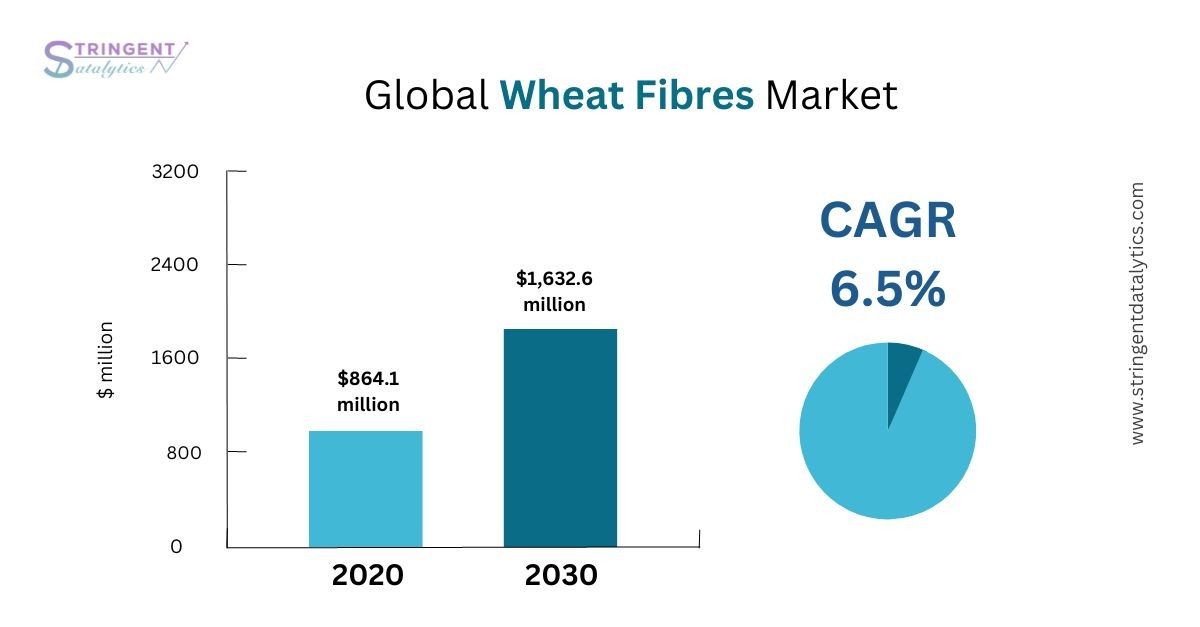
Economic forecasting, at its core, embodies the amalgamation of historical data analysis, statistical modeling, and an intuitive understanding of the myriad factors influencing economic trajectories. Navigating economic trends requires adeptness in discerning the subtleties within macroeconomic indicators, monetary policies, and geopolitical dynamics.
The landscape of economic forecasting is underscored by a meticulous examination of leading indicators, lagging indicators, and coincident indicators. These indicators, akin to the celestial constellations for economists, illuminate the path toward plausible scenarios, enabling a proactive response to potential economic shifts.
Sectoral Symphony: Harmonizing with Economic Trends
Within the orchestra of economic activities, each sector contributes a distinct note to the symphony of economic prediction. A granular understanding of sectoral dynamics becomes paramount in navigating economic trends, as the fortunes of industries ebb and flow in response to market forces and externalities.
For instance, the technology sector, with its rapid innovation cycles, may experience seismic shifts in response to breakthroughs or disruptions. In contrast, traditional industries may navigate a steadier course, influenced by more gradual evolutionary changes. The discerning economic navigator recognizes the sectoral nuances, harmonizing strategies with the prevailing economic cadence.
Globalization Dynamics: Economic Interconnectedness
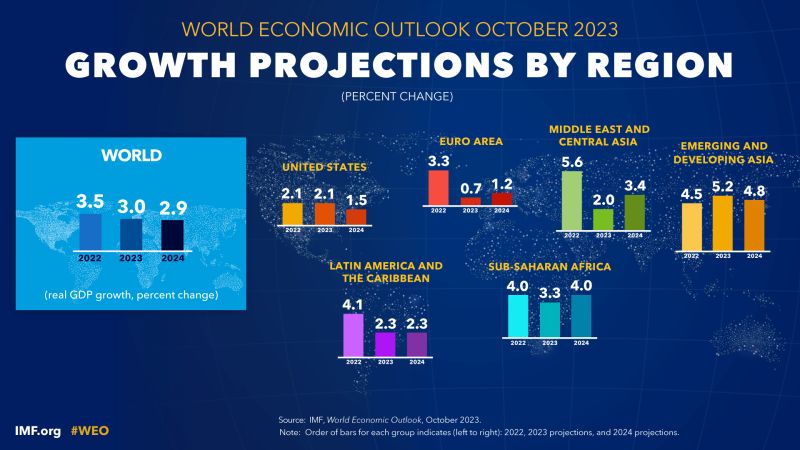
In an era characterized by unprecedented globalization, economic destinies are interwoven in a complex tapestry of interconnectedness. The economic forecaster must unravel the threads that bind nations and economies, recognizing that a ripple in one corner of the world may reverberate across continents.
Economic forecasting extends beyond national borders, incorporating a global perspective that acknowledges the impact of international trade agreements, geopolitical alliances, and cross-cultural influences. As businesses expand their operations globally, a keen understanding of these interconnected dynamics becomes a compass for effective decision-making.
Statistical Alchemy in Forecasting
In the realm of economic prediction, statisticians wield a formidable arsenal of tools, from time series analysis to regression models, seeking patterns and correlations that might elude the untrained eye. The dynamic interplay of variables demands a meticulous choreography of mathematical precision, where the intricacies of predictive analytics take center stage.
The economic forecasting lexicon is replete with terms such as autoregressive integrated moving average (ARIMA) models, stochastic volatility, and GARCH (Generalized Autoregressive Conditional Heteroskedasticity). These terms, though seemingly arcane, encapsulate the essence of the statistical alchemy employed in deciphering and forecasting economy trends.
The Dance of Economic Indicators
Navigating economic trends requires a deft understanding of the dance of economic indicators, each telling a tale of its own. Gross Domestic Product (GDP), unemployment rates, inflation indices, and consumer confidence indices are the protagonists in this intricate ballet. Their movements, subtle or dramatic, signal the trajectory of economic health, guiding decision-makers through the labyrinth of uncertainties.
In the grand symphony of economic forecasting, the yield curve assumes a pivotal role. Its inversion, akin to a crescendo in the financial overture, portends potential economic downturns, prompting astute observers to recalibrate their strategies in anticipation of the impending discord.
Machine Learning: A New Maestro in Forecasting
As technological strides reshape the contours of our existence, they cast a profound influence on the domain of economic forecasting. Machine learning algorithms, with their capacity for pattern recognition and adaptability, emerge as the new maestro in the orchestra of economic prediction.
From neural networks to support vector machines, these algorithms sift through colossal datasets, identifying hidden patterns and correlations that elude traditional statistical models. The marriage of big data and machine learning has bestowed economists with a potent toolset, enriching the art of economic prediction.
Geopolitical Crosscurrents: Navigational Challenges
While statistical models and machine learning algorithms provide valuable insights, the navigational challenges in navigating economic trends extend beyond numbers. Geopolitical crosscurrents, geopolitical uncertainties, and diplomatic intricacies add a layer of complexity, transforming economic forecasting into a multidimensional chess game.
Trade tensions, political upheavals, and global health crises can swiftly alter the course of economic currents. The astute economic forecaster must possess not only analytical prowess but also a geopolitical acumen to anticipate the potential impact of geopolitical maneuvers on economic landscapes.
The Crystal Ball Conundrum
In the realm of economic forecasting, the metaphorical crystal ball remains elusive. The future, by its nature, is shrouded in uncertainty, and the most adept economic soothsayer cannot entirely escape the inherent unpredictability of human behavior and global events.
The conundrum lies in acknowledging the limitations of economic prediction while leveraging the available tools to navigate the undulating terrain of economic trends. Adaptive strategies, scenario planning, and risk management become the compass guiding businesses and policymakers through the labyrinth of an ever-evolving global economy.
Read More : Economic Disruptions Navigating the Winds of Change
Conclusion : Navigating Economic Trends
In conclusion, economic forecasting is a multifaceted discipline that melds the precision of statistics with the fluidity of geopolitical dynamics. The art of forecasting economy trends demands a constant evolution, an ability to discern patterns amidst chaos, and a resilience to adapt in the face of unforeseen disruptions.
As we traverse the intricate web of economic landscapes, the astute navigator embraces uncertainty as a constant companion, leveraging the tools of statistical analysis, machine learning, and geopolitical acumen to chart the course ahead. In this dynamic interplay of data and intuition, lies the key to not only surviving but thriving in the ever-shifting currents of the global economy.
More Stories
2025 Economic Outlook: Navigating the Crystal Ball of Finance
Navigating Tomorrow: Bold Economic Forecasts That Will Shape Your Next Decade
The Future Unfolded: Navigating the Economic Horizon