
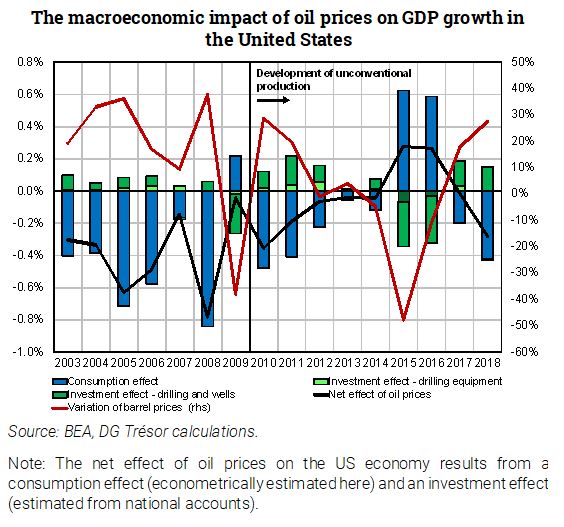
Oil Prices Economic Impact In the intricate dance of global markets, few factors wield as much influence as the undulating tides of oil prices. This exploration takes us on a journey through the profound Impact of Oil Prices on Economy, unraveling the complex web of economic consequences, examining the sway these prices hold over markets, and delving into strategies for managing the consequential economic impact.
The Ripple Effect: Understanding the Impact of Oil Prices on Economy
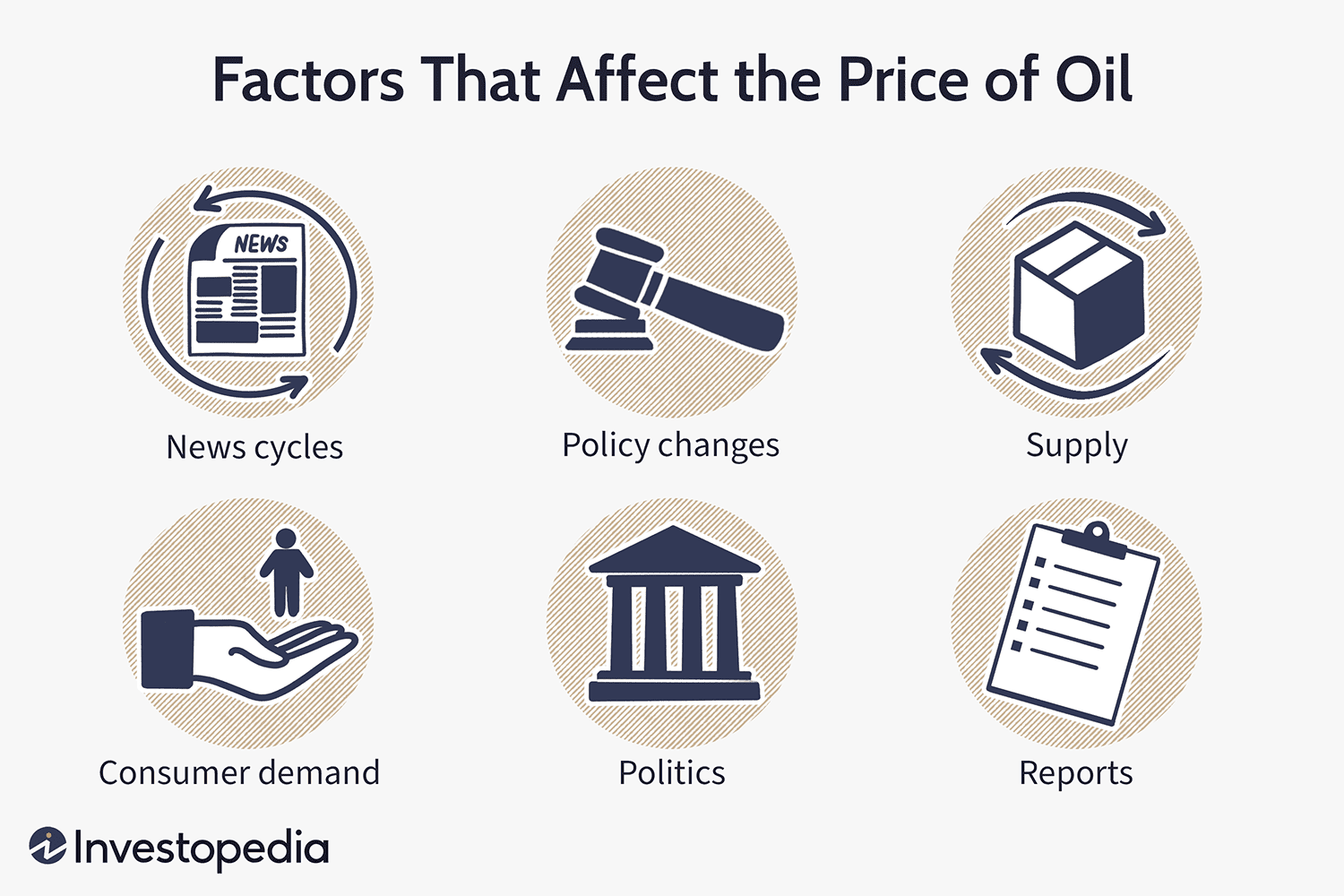
The Impact of Oil Prices on Economy is akin to a pebble creating ripples in a vast economic pond. From the cost of goods to the balance of trade, the consequences of oil price fluctuations are far-reaching.
Inflationary Pressures: A Balancing Act
One of the primary economic consequences of fluctuating oil prices is the perpetual dance with inflation. As oil prices surge, transportation costs escalate, impacting the prices of goods and services across various sectors. It’s not just a matter of rising prices; it’s about the delicate balancing act required to manage inflationary pressures in the face of oil price volatility.
Consumer Spending: Navigating the Economic Landscape
The influence of oil prices extends to the wallets of consumers. As fuel prices fluctuate, so does the disposable income of households. The Impact of Oil Prices on Economy is felt in the ebb and flow of consumer spending patterns, influencing everything from retail trends to leisure activities. It’s not just about prices at the pump; it’s about the intricate interplay between oil prices and the choices consumers make.
Production Costs: Balancing the Equation
For industries dependent on energy-intensive processes, the economic consequences of oil prices are manifest in production costs. From manufacturing to agriculture, businesses must navigate the challenge of maintaining profitability amidst the undulating costs of energy inputs. It’s not just about production; it’s about the delicate equation of managing costs while ensuring the quality and affordability of goods.
Markets in Flux: The Intricate Oil Price Influence on Markets
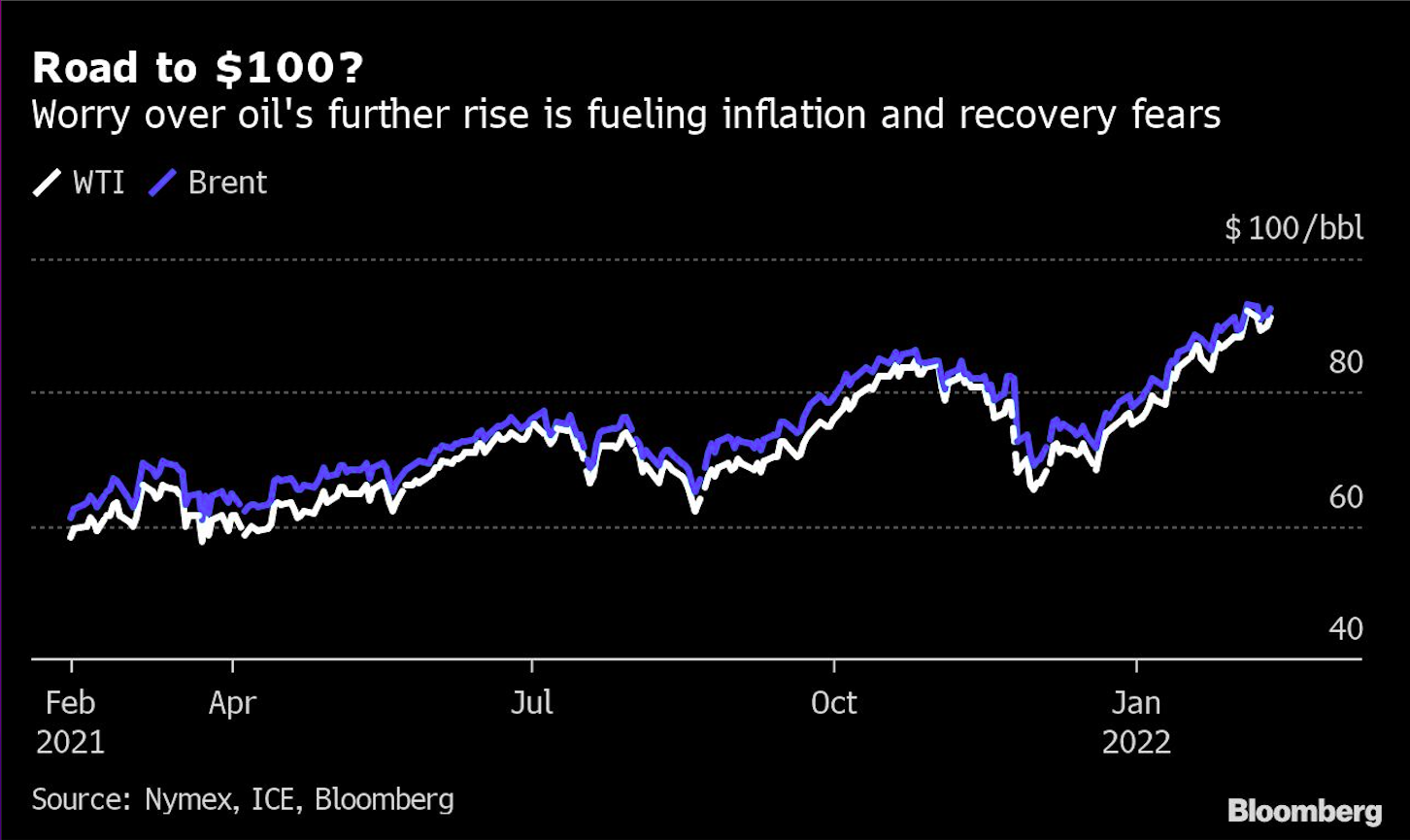
The dynamics of oil prices cast a long shadow over financial markets, influencing everything from stock prices to currency valuations. Understanding the Oil Price Influence on Markets requires navigating the intricacies of supply and demand, geopolitical factors, and the delicate dance of investor sentiment.
Energy Sector Dynamics: Riding the Waves
Perhaps nowhere is the Oil Price Influence on Markets more pronounced than in the energy sector. Oil companies, renewable energy ventures, and related industries experience the direct impact of price fluctuations. The economic consequences extend to exploration investments, technological innovations, and the overall trajectory of the energy landscape. It’s not just about oil; it’s about the sectoral dynamics that shape the markets.
Geopolitical Tensions: Market Sentiment Shifts
The Oil Price Influence on Markets is often exacerbated by geopolitical tensions. Strained relations among oil-producing nations or disruptions in major oil-producing regions can send shockwaves through financial markets. It’s not just about supply and demand; it’s about the intricate dance between geopolitical factors and market sentiment.
Currency Valuations: A Global Balancing Act
Currency markets bear the imprint of oil price fluctuations. Nations heavily reliant on oil exports may see their currencies rise and fall in tandem with oil prices. The Oil Price Influence on Markets extends to the foreign exchange arena, where exchange rates become a reflection of economic stability and vulnerability. It’s not just about commodities; it’s about the interconnectedness of markets in a globalized economy.
Strategic Maneuvers: Managing the Economic Impact of Oil
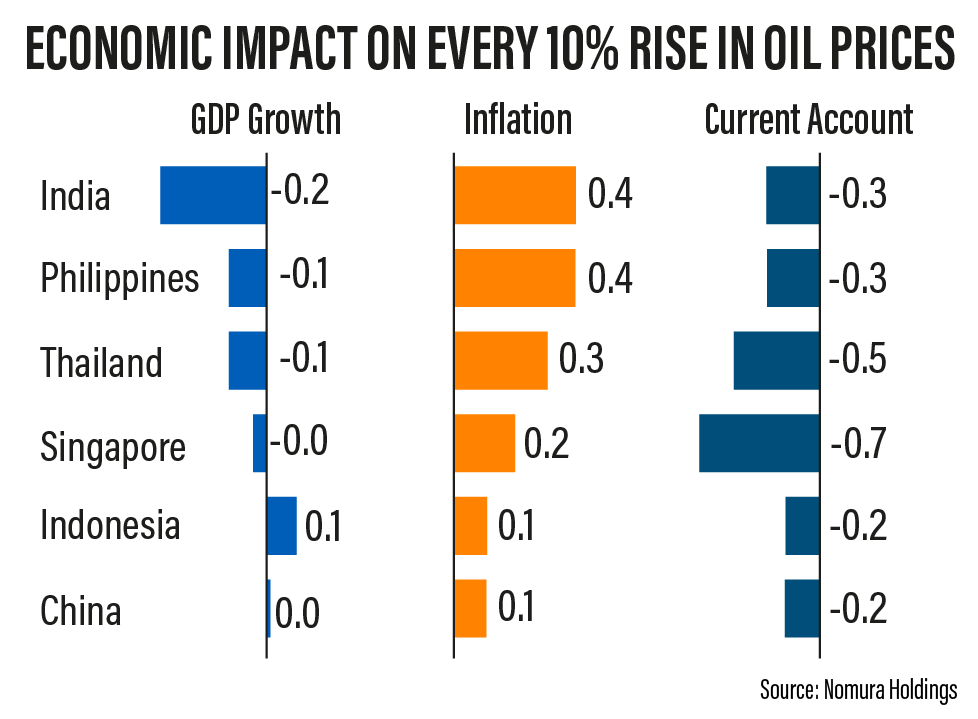
In the face of the Economic Consequences of Oil Prices, governments, businesses, and investors must adopt strategic maneuvers to navigate the unpredictable terrain.
Diversification Strategies: Shielding Against Volatility
A key tactic in managing the economic impact of oil price volatility is diversification. From energy-independent policies to investments in renewable technologies, nations and businesses alike seek to shield themselves against the inherent volatility of oil markets. It’s not just about oil; it’s about the strategic foresight to diversify energy sources and reduce dependence on a single commodity.
Fiscal Policies: Buffering Economic Shocks
Governments play a pivotal role in managing the economic impact of oil prices through fiscal policies. From sovereign wealth funds to strategic budgeting, nations implement measures to buffer their economies against shocks. The Economic Consequences of Oil Prices become a catalyst for prudent financial planning and the development of robust fiscal frameworks. It’s not just about budgets; it’s about the fiscal resilience required to weather economic storms.
Investment Strategies: Navigating Market Volatility
Investors, too, adopt nuanced strategies to navigate the economic impact of oil price fluctuations. Diversified portfolios, risk management techniques, and astute market analysis become the tools of the trade. The Impact of Oil Prices on Economy transforms into opportunities for those who can adeptly navigate the currents of market volatility. It’s not just about risks; it’s about the calculated maneuvers that turn economic challenges into investment prospects.
Read More : Emerging Markets Growth Spurt
Ending: Oil Prices Economic Impact
As we conclude this exploration into the Impact of Oil Prices on Economy, the intricate tapestry woven by economic consequences, market dynamics, and strategic maneuvers comes into focus. The undulating nature of oil prices creates a landscape where challenges and opportunities coexist.
In the grand symphony of global markets, where each note represents a variable in the economic equation, the Managing Economic Impact of Oil becomes an art form. Governments, businesses, and investors engage in a dance of strategy and adaptation, navigating the complexities of oil price influence on markets.
May this exploration equip you with insights into the multifaceted realms of oil prices and their impact on the global economic stage. As nations, businesses, and investors continue to navigate the undulating terrain of oil price fluctuations, may their endeavors be guided by a cheerful optimism, strategic acumen, and a recognition of the resilience required to thrive in a world where the price of oil shapes economic destinies.
More Stories
2025 Economic Outlook: Navigating the Crystal Ball of Finance
Navigating Tomorrow: Bold Economic Forecasts That Will Shape Your Next Decade
The Future Unfolded: Navigating the Economic Horizon